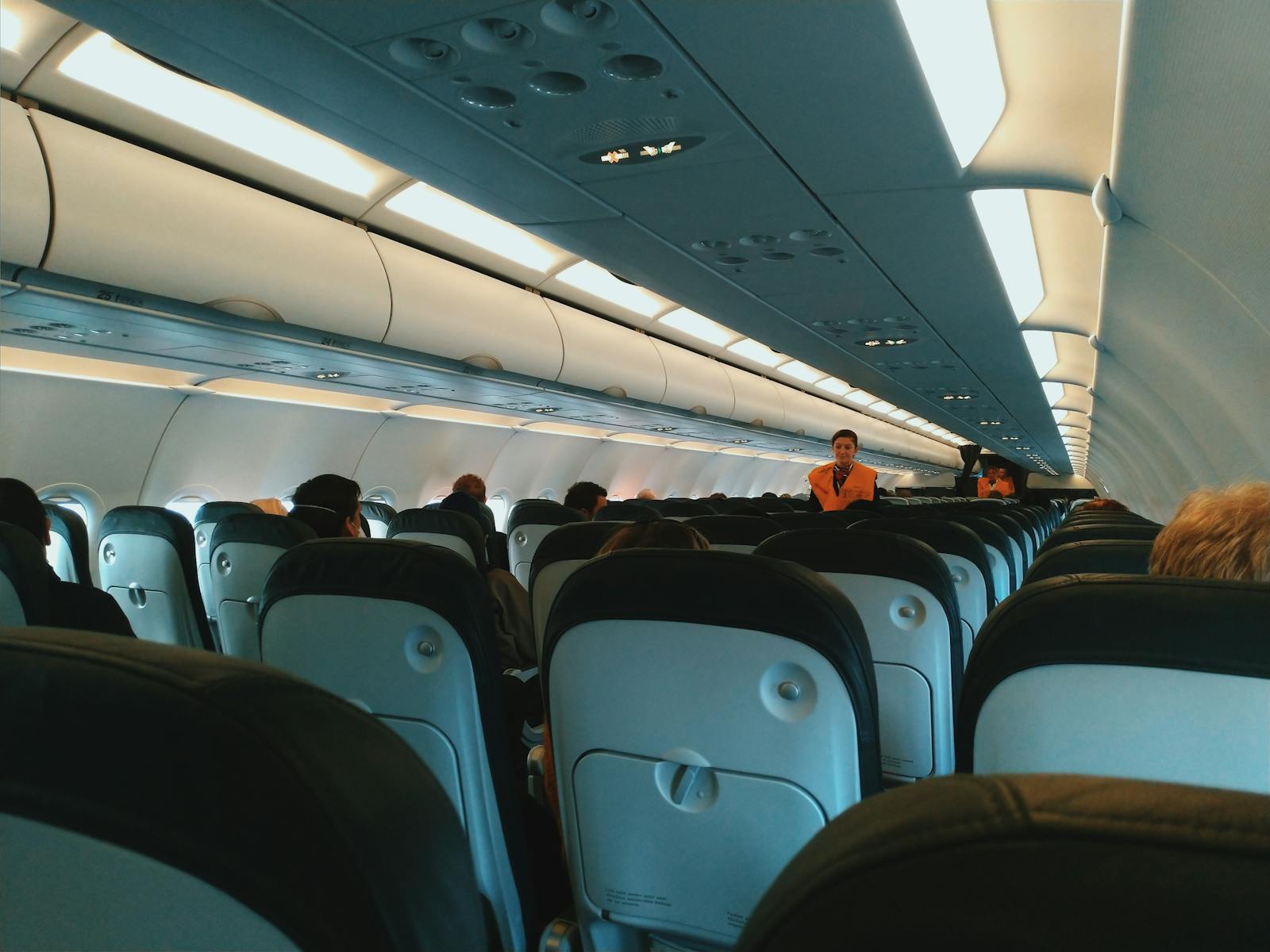
How to survive a 14+ hour flight in economy
The Longhaulist team updated
Direct answer
To survive a 14+ hour economy flight: book a window or aisle seat in the rear half, sleep during the destination’s night, hydrate aggressively the day before, move every 90 minutes, and bring three pieces of gear — an eye mask, noise-cancelling earplugs or headphones, and compression socks. Everything else is optional.
The flight is not the problem most first-timers think it is. The discomfort is real but predictable. The recovery on the other side — jet lag, DVT risk, decision fatigue — is what actually shapes your trip. Plan for both.
Why it matters for long-haul economy
A 14-hour flight isn’t twice as bad as a 7-hour flight. It’s an order of magnitude harder, because:
- You will need to sleep on the plane (a 7-hour flight, you can usually push through)
- DVT risk crosses a meaningful threshold around the 8–10 hour mark
- Cabin dehydration compounds for the full duration
- Cognitive performance degrades non-linearly past 10 hours of sitting
A few small decisions before and during the flight account for most of the difference between arriving merely tired and arriving wrecked.
Before the flight
Pick the right seat
The single highest-leverage choice. Use SeatGuru or AeroLOPA to see the exact configuration of your specific flight, then:
- For sleep: window seat in the rear half of economy. Head against the wall, no aisle climb-overs.
- For movement and bathroom access: aisle seat. Aisle in the rear half is best — less foot traffic past you, easier to walk to the galley to stretch.
- For both: the best window aisle is at the very front of an economy cabin section (e.g. row 21 if cabin starts at 21), giving you wall + early meal service.
- Avoid: middle seats, last row (galley noise, no recline), bulkheads if you want to keep your bag at your feet, exit row if you want a blanket-warmth experience (exit rows are cold).
We go deeper in How to sleep on a long-haul flight.
Plan your sleep around destination time
The most consequential decision after seat choice. The general rule:
- Flying eastward: sleep on the plane as early as possible. You will need to function on arrival in your destination’s morning/afternoon.
- Flying westward: stay awake longer than feels natural. You’re trying to arrive tired enough to sleep at the destination’s bedtime.
The jet lag calculator generates a sleep window for your specific route. Follow it.
Day before the flight
- Hydrate to pale-yellow urine by bedtime
- Get a normal night’s sleep — not extra, not less
- Skip alcohol and very salty meals (both cause ankle swelling at altitude)
- Pack your in-flight kit so you’re not digging at the gate
Day of the flight
- Eat moderately, 3–4 hours before boarding
- Refill a 1L water bottle after security
- Get to the gate early enough to walk for 15 minutes before sitting down for the next 14+ hours
We cover food specifics in What to eat before a long-haul flight.
The three pieces of gear that matter
For a 14+ hour flight, three items earn their space in the carry-on. Everything else is optional.
Eye mask
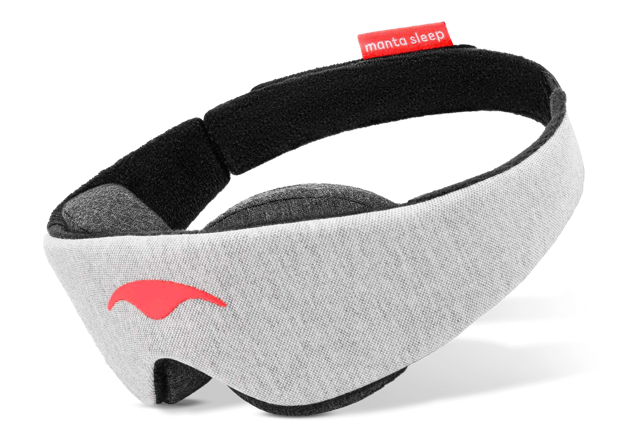
Cabin lights cycle for meal service, turbulence, and arrival prep, regardless of when you’re trying to sleep. A contoured mask that doesn’t press on your eyes is the highest-impact piece of sleep gear you can bring.
Manta
Manta Sleep Mask
Contoured cups sit away from eyes — no lid pressure, no interference with REM movement. Adjustable for most face shapes. Full blackout. Stays in place when you turn.
View on AmazonNoise control
Cabin noise at cruise is 78–85 dB depending on aircraft and seat position. Active noise-cancelling headphones or quality earplugs cut that to manageable levels and protect sleep continuity.
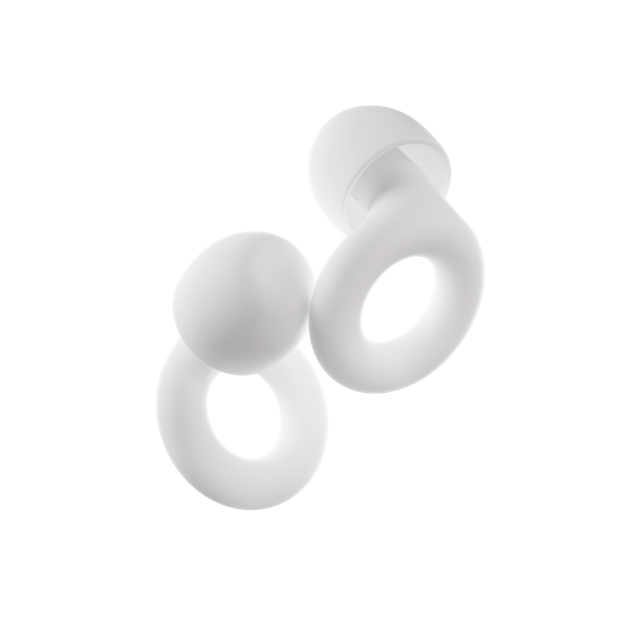
For full sleep silence, earplugs are lighter and easier to wear with a pillow.
Loop
Loop Quiet 2 Earplugs
24 dB SNR in reusable silicone — more comfortable for long-duration wear than foam for many people. Four ear-tip sizes included. Good for those who find foam earplugs irritating.
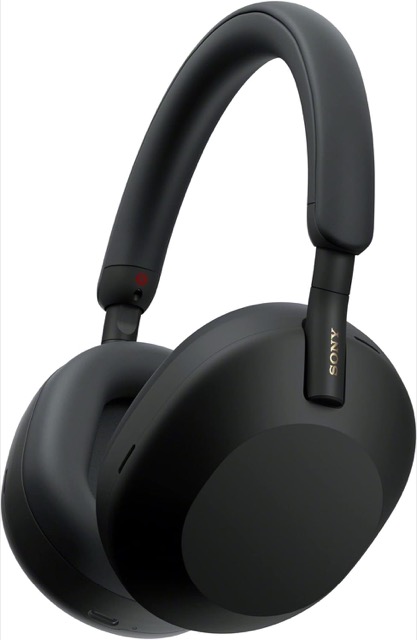
View on AmazonIf you also want to listen to music or audio, noise-cancelling headphones are worth the weight.
Sony
Sony WH-1000XM5 Wireless Headphones
Best-in-class ANC for continuous low-frequency noise (engines, aircon). Comfortable over-ear fit for multi-hour wear. 30-hour battery. Folds flat for carry-on.
View on AmazonCompression socks
On flights over 8 hours, the relationship between sitting and DVT risk is well documented. Compression socks (20–30 mmHg, graduated) reduce both DVT incidence and ankle swelling. For a 14+ hour flight, this is the strongest evidence-backed piece of gear you can wear.
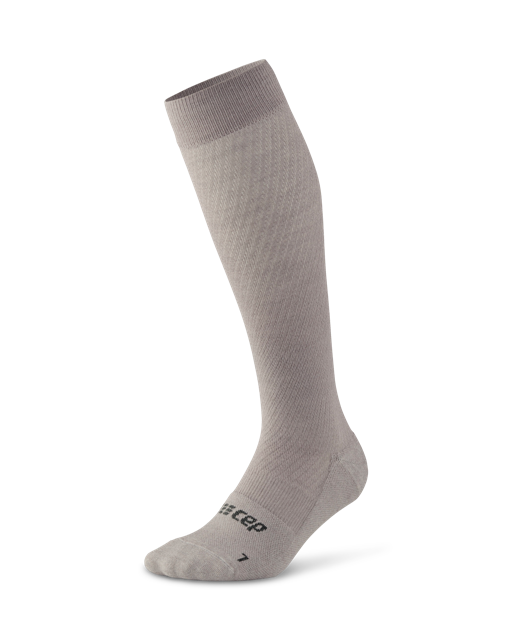
CEP
CEP Flight Compression Socks (20–30 mmHg)
Graduated 20–30 mmHg designed specifically for air travel. Size chart uses calf circumference, not just shoe size. Lightweight, no-slip fit.
View on AmazonFull discussion in What compression socks actually do on long-haul flights and DVT prevention on long-haul flights: what works.
What you don’t need
- A neck pillow that doesn’t fit your sleeping posture is dead weight. We cover this in Best sleeping positions for long-haul economy flights.
- Most “in-flight comfort kits” sold at airport bookshops include things you don’t need (mini deodorant, eye drops you won’t use). Skip.
- Slippers — bring one extra pair of clean socks instead. Lighter, more useful.
During the flight
First two hours
- Settle in: stow your bag, set up your seat, get water within reach
- Eat the meal if served, skip if you’ve already eaten and want to sleep
- Hydrate steadily
- Don’t recline yet — wait for the cabin to settle
Sleep window (per your jet-lag plan)
- Eye mask on, earplugs in
- Pillow set up for your sleeping position (side, forward-leaning, or upright depending on what works for you)
- Decline subsequent meals — they will wake you for them otherwise; ask a cabin attendant in advance
- Set a phone alarm if you need to wake before landing
Every 90 minutes (or whenever you’re awake)
- Stand up and walk to the galley and back
- Calf raises, ankle rolls (sitting if you can’t get up)
- Sip water
Movement is the single most important DVT prevention behaviour after compression socks. Combined, they reduce risk to near-baseline.
Last 90 minutes
- Wake up if you slept (don’t sleep into landing — you’ll arrive groggier)
- Bathroom before the seatbelt sign comes on
- Light snack and water
- Walk to the lavatory and back one more time if possible
- Eye drops, lip balm, fresh layer of moisturiser if dry skin bothers you
After the flight
First 24 hours at destination
- Light exposure timing matters more than anything else. Get bright light at the right time for your direction (calculator output handles this)
- Eat at local mealtimes even if you’re not hungry
- Don’t nap longer than 20 minutes before 3pm local
- Commit to local bedtime even with partial sleep pressure
- Hydrate — cabin dehydration takes 12–24 hours to fully reverse
First 3 days
- Continue the jet lag calculator’s light/sleep/melatonin schedule
- Expect day 2 to feel worse than day 1 (adrenaline masks day 1)
- Don’t make important decisions in the afternoon dip on days 1–2
For a deep dive on adaptation timelines, see How long does jet lag last?
What actually goes wrong on 14+ hour flights
The most common preventable problems, ranked by how much they ruin trips:
- Bad seat choice — picked the middle, picked the back row, picked the seat in front of the bulkhead (doesn’t recline)
- Slept at the wrong time — slept the whole flight east and arrived unable to fall asleep at the destination
- Didn’t move — arrived with swollen ankles and persistent calf tightness for 2+ days
- Underhydrated — headache and cognitive fog for the first 24 hours at destination, blamed on jet lag
- Wore the wrong clothes — too cold for the cabin (15–20°C at cruise), no layers to peel
- Didn’t bring eye mask or noise control — slept badly, fragmented, woke up grumpier than necessary
None of these are exotic. All are decisions you make before boarding.
A condensed checklist
Two days before:
- Pre-order special meal if you want one
- Confirm seat selection
- Hydrate
Day before:
- Hydrate to pale-yellow urine
- Normal night’s sleep
- Pack: eye mask, earplugs, compression socks, water bottle, layers
Day of:
- Eat moderately 3–4 hrs out
- Walk 15+ minutes before boarding
- Refill water after security
On the flight:
- Compression socks on
- Eye mask + earplugs for your sleep window
- Movement every 90 min
- Hydrate steadily
On arrival:
- Bright light at the right time
- Local mealtimes
- Commit to local bedtime
FAQ
How do I survive a 14-hour flight in economy? Pick a window or aisle seat in the rear half, follow your jet-lag plan for sleep timing, wear compression socks, move every 90 minutes, and bring an eye mask + noise control. Hydrate the day before, not just during the flight.
Is a 14-hour flight in economy bearable? Yes, for the vast majority of healthy passengers. It’s uncomfortable, not dangerous. The discomfort is mostly preventable with seat choice, hydration, and the right gear.
What’s the best seat for a 14-hour flight? Window seat in the rear half if you want to sleep. Aisle seat in the rear if you want to move easily. Avoid middles, last row, and seats in front of the bulkhead (they don’t recline).
Should I sleep the whole flight? Only if it aligns with destination night. Sleeping during destination day will wreck your first night at destination. The jet lag calculator tells you the correct window.
What should I wear? Layers. Cabin temperature is 15–20°C at cruise. Compression socks under loose trousers, a t-shirt, a light long-sleeve, and a packable jacket or hoodie covers most conditions.
Do I need a neck pillow? Only if it actively supports your sleeping posture. Most U-shaped pillows don’t work for side-sleepers and create more problems than they solve. Side-sleepers do better with a window and a folded jacket.
Is the food safe to eat? Yes. Airline catering has very low food safety incident rates. The main issues are sodium content and timing — see What to eat before a long-haul flight.
Can I bring my own snacks? Generally yes (domestic regulations vary). Plain nuts, oat bars, and fruit travel well. Avoid anything that smells strongly — your neighbours will notice.
Sources
- CDC Yellow Book, 2026 edition: Deep Vein Thrombosis & Pulmonary Embolism
- WHO WRIGHT study, 2007: Travel and Venous Thromboembolism
- Aerospace Medical Association, “Useful Tips for Airline Travel”
- Eastman & Burgess, 2009, Sleep Medicine Clinics: jet lag protocols
- Hinninghofen & Enck, 2006, Best Practice & Research Clinical Gastroenterology: in-flight comfort and gut