What to eat before a long-haul flight
The Longhaulist team updated
Direct answer
In the 24 hours before a long-haul economy flight, eat moderate protein, complex carbohydrates, and high-water-content vegetables. Skip high-sodium meals, carbonated drinks, raw cruciferous vegetables, beans, and large amounts of alcohol. Stop eating roughly 2–3 hours before boarding if you intend to sleep on the flight. Hydrate aggressively the day before — by the time you board, you can’t catch up.
This is not about virtue. It’s about controlling four specific in-flight problems: bloating, swelling, sleep disruption, and gut motility.
Why it matters for long-haul economy
In economy, three things make food choices matter more than they do on a normal day:
- Reduced cabin pressure expands gas in your gut by ~25%. Foods that produce gas at sea level produce noticeably more at altitude.
- Restricted movement for 8+ hours means anything that causes water retention has nowhere to go. Sodium-heavy meals show up as swollen ankles.
- Sleep matters more than ever. A meal that’s fine on a normal evening can wreck your in-flight sleep if it’s the wrong macros at the wrong time.
The protocol below is built around those three constraints.
The 24-hour pre-flight protocol
Night before: front-load calories and water
Eat a normal-sized dinner with protein, complex carbohydrates, and vegetables. Avoid heavy fried food or anything that historically gives you reflux.
Drink water deliberately — aim for pale-yellow urine before bed. Most people land at the airport already mildly dehydrated, and cabin air (humidity ~10–20%, vs ~40–60% indoors) makes the deficit worse fast.
Morning of (if flying afternoon/evening)
- Breakfast: standard. Eggs, oats, fruit. Avoid foods you only eat occasionally.
- Coffee: fine, but stop ~6 hours before your intended sleep window on the flight.
- Water: keep going. 500ml every 2 hours.
4 hours before boarding
This is the last reasonable meal window. Keep it:
- Moderate portion
- Protein + complex carbs (chicken + rice, fish + grains, lentils + bread)
- Easy on fat
- Low-sodium
Why moderate: a large meal close to flight time slows gastric emptying, which means you’ll still be digesting when you try to sleep at cruise altitude.
2 hours before boarding
Snack only, if hungry. Banana, plain nuts, oat-based bar. Nothing carbonated. Nothing salty.
At the airport
- Refill your water bottle after security
- Skip the airport beer-and-pretzels routine — both work against you in flight
What to skip, and why
High-sodium meals
Restaurant food, takeaway, processed snacks. Sodium causes water retention; restricted movement at altitude means the water pools in your lower legs. You arrive with visibly swollen ankles and feet.
If you eat out the day before, ask for low-sodium options or split a portion.
Carbonated drinks
Sparkling water, soda, beer, kombucha. The CO₂ expands in the cabin. The result is bloating that ranges from uncomfortable to genuinely painful in the first 90 minutes after takeoff.
Raw cruciferous vegetables and beans
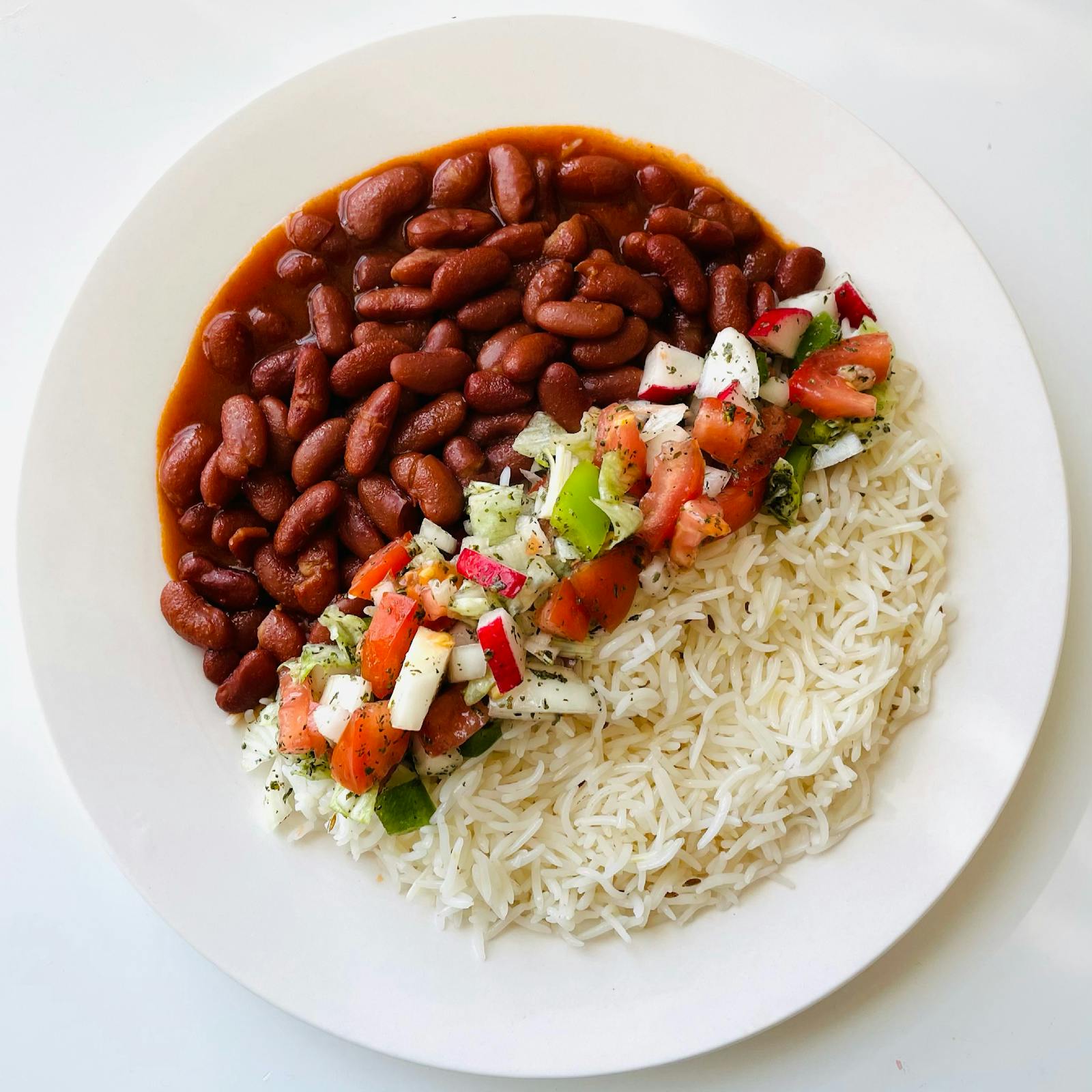
Cabbage, broccoli, cauliflower, raw onion, beans, lentils in large amounts. These produce gas as gut bacteria ferment them. At altitude, that gas expands. The phrase you’re looking for is “extended discomfort”.
Cooked broccoli in a small portion is fine. A raw kale salad the size of your head is not.
Spicy food
Capsaicin can trigger reflux when you’re lying back in a reclined seat. If reflux is something you ever experience, skip spicy food the day before, not just the day of.
Large amounts of alcohol
A glass of wine with dinner is not the issue. Three drinks at the airport and two on board is.
Alcohol:
- Disrupts sleep architecture (less REM, more wake-ups) precisely when sleep matters most
- Adds to dehydration that’s already accelerated by cabin air
- In some people, worsens DVT risk by reducing movement and contributing to dehydration
Heavy/fatty meals close to flight time
A large pasta carbonara two hours before boarding sits in your stomach for hours. You’ll feel it through cruise.
What to eat on the flight itself
You generally can’t control airline meals beyond ordering a special meal in advance. If you can:
- Order a low-sodium or fruit platter meal at least 24 hours before departure with your airline. These are usually fresher and lighter than the default.
- Eat the protein and grain. Skip the heavily salted side, the dessert, and the bread roll if you’re trying to sleep soon.
- Decline the second meal if it lands during your sleep window. They’ll wake you for it.
Hydration: do it before, not during
You will not drink enough water on the plane to undo a hydration deficit. Cabin attendants come around every few hours with thimble-sized cups. You’ll get up to pee at the worst possible moment for the aisle passenger.
The strategy:
- Day before: drink to pale-yellow urine.
- Morning of: 500ml on waking.
- Pre-flight: refill a 1L bottle after security; finish it before boarding.
- In flight: sip steadily, drink full glasses when the cart comes, accept that you will use the bathroom 2–3 times on an 8-hour flight.
A 1L+ refillable bottle is non-negotiable. The plastic cups won’t get you there.
Caffeine timing across time zones
Caffeine has a half-life of about 5–6 hours. If you’re flying eastward, caffeine late in your origin’s day is caffeine that’s still circulating when it’s time to sleep at destination.
Rough guide:
- Eastward flight: stop caffeine 8 hours before your intended sleep window
- Westward flight: caffeine on the flight is often useful — you’re trying to stay awake later
This is one of the inputs the jet lag calculator bakes into its schedule.
What’s actually true about “anti-inflammatory” pre-flight diets
You’ll see advice telling you to eat tart cherries, beets, salmon, and turmeric “to reduce inflammation from flying”. The evidence base is thin to nonexistent in this specific context. None of these foods harm you. None of them measurably reduce flight-related fatigue or jet lag in published trials.
Eat them if you like them. Don’t restructure your diet around them.
A simple framing
Before a long-haul flight, you have two goals:
- Arrive at the gate hydrated and not overfull
- Avoid anything that will be a problem at altitude or in a reclined seat
That eliminates 90% of the decision. Most of the “magic foods” lists are noise.
FAQ
What should I eat the night before a long-haul flight? A normal-sized balanced dinner: protein, complex carbs, vegetables. Avoid heavy fried food, large amounts of alcohol, and high-sodium restaurant meals. Drink water to pale-yellow urine.
Should I eat before a long-haul flight? Yes, but not in the last 2–3 hours if you plan to sleep shortly after boarding. A moderate meal 4 hours out plus a small snack 2 hours out is the practical sweet spot.
Is it better to fast before flying? No. Fasting reduces in-flight comfort and doesn’t help with jet lag for typical travellers. Some research on extended fasting and circadian shift exists but is not practical for most economy passengers.
What foods cause the worst bloating on flights? Carbonated drinks, raw cruciferous vegetables (cabbage, broccoli, cauliflower), beans, large amounts of dairy if you’re lactose-sensitive, and very salty meals.
Can I drink coffee before a long flight? Yes, but stop ~8 hours before your intended in-flight sleep window if flying eastward. Westward flights are more forgiving.
Should I avoid alcohol on a long-haul flight? A drink is fine; multiple drinks measurably worsen sleep quality, hydration, and DVT risk. The case against more than one is strong.
What’s the best meal at the airport? Grilled protein with rice or grains and cooked vegetables. Avoid fried food, very salty options, and large carbonated drinks. Most airports have one decent option per terminal.
Why do I feel bloated on planes even when I eat normally? Reduced cabin pressure expands gases in your gut by roughly 25%. Even normal portions feel bigger. Avoiding gas-producing foods for 24 hours before flight measurably helps.
Sources
- Aerospace Medical Association, “Useful Tips for Airline Travel”
- FAA, “Cabin pressure and gas expansion”
- Mackenzie & Watt, 2003, Aviation, Space, and Environmental Medicine: alcohol and in-flight sleep
- Burgess et al., 2010, Journal of Clinical Endocrinology & Metabolism: caffeine and circadian phase