Jet lag: what actually works, according to the research
The Longhaulist team
Key takeaways
- Jet lag is a mismatch between your internal clock and local time — not tiredness from the flight itself.
- Eastward travel is harder than westward. The human clock naturally runs slightly slow, making delays easier than advances.
- Three tools work: light timing, low-dose melatonin (eastward only), and pre-flight sleep shifting.
- Most airport pharmacy remedies have no evidence. Alcohol and sleeping pills make adaptation slower.
- The jet lag calculator generates exact light and melatonin timings for your specific route.
Jet lag is not simply tiredness. It is a physiological mismatch between your internal clock and the local time at your destination — and most of the advice written about it confuses the two.
The mechanism is well understood. The tools for addressing it are well-researched. Three of them work. Most of what is sold at airport pharmacies does not.
What jet lag actually is
Your body runs on a circadian rhythm — an internal biological clock with a natural period of roughly 24 hours. This clock governs sleep timing, hormone release, digestion, body temperature, and alertness. It is primarily set by light exposure, but also responds to meal timing, exercise, and social cues.
When you cross several time zones quickly, your internal clock still thinks it is home time. Your body wants to sleep at what is now local afternoon, or wants to wake at 03:00. Jet lag is this lag between internal clock and external time — not the flight itself, not the seat, not the recycled air.
The symptoms — fatigue, poor concentration, irritability, disrupted sleep, digestive upset — all follow from this mismatch. They resolve as the clock re-synchronises. The question is how quickly you can make that happen.
Eastward vs westward: why direction matters
60 min
typical adaptation per day travelling eastward
Crossing time zones eastward (London to Tokyo, New York to Frankfurt) requires your clock to advance — to run earlier than it wants to. Westward travel (Tokyo to London, Frankfurt to New York) requires it to delay — to run later.
The human circadian rhythm has a natural period slightly longer than 24 hours, which means the clock finds it easier to delay than to advance. Westward travel works with this tendency. Eastward travel works against it.
In practical terms:
- Westward travellers adapt at roughly 90 minutes per day
- Eastward travellers at roughly 60 minutes per day
A 6-hour eastward shift takes about four days to resolve. The same 6-hour westward shift takes three. The difference compounds with larger shifts — which is why the Athens-to-Tokyo flight hits harder than the Tokyo-to-Athens return.
The three tools that work
1. Light timing
Light is the dominant zeitgeber — the primary signal that sets the circadian clock. Bright light exposure above roughly 2,500 lux (outdoor daylight, or a therapeutic light box) affects the clock in a direction that depends on timing.
The phase-response curve for light describes this:
- Morning light — in the hours after your habitual wake time — advances the clock, pushing it earlier. This is what eastward travellers need.
- Evening light — in the hours before your habitual bedtime — delays the clock, pushing it later. This is what westward travellers need.
- Light during biological night (when your body thinks it is the middle of the night) has a strong phase-delaying effect regardless of direction.
Applied practically: if you are flying London to Singapore (7 hours east), you want bright light in the morning at Singapore time and want to avoid bright light in the evening. If you are flying Singapore to London (7 hours west), you want light in the evening at London time and should avoid it in the morning.
The jet lag calculator calculates specific seek-light and avoid-light windows for your route and departure date, calibrated by direction and offset size.
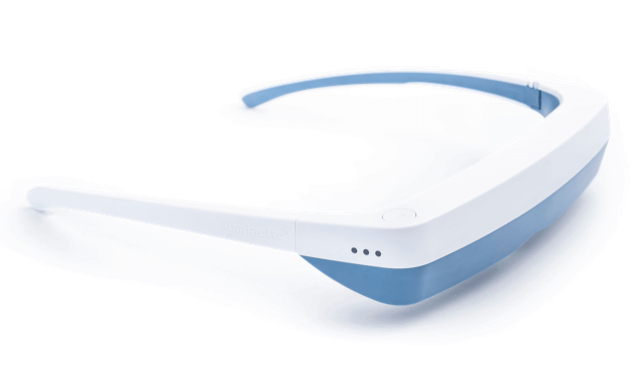
Luminette
Luminette 3 Light Therapy Glasses
1,500-lux wearable light therapy. Practical for morning light on the go — no need to sit in front of a static box. CE-marked medical device.
View on Luminette2. Low-dose melatonin (eastward flights only)
Melatonin is a hormone produced by the pineal gland that signals biological darkness to the body. Its effect on the circadian clock is the opposite of light: melatonin taken at a time when it is not naturally present shifts the clock toward sleep.
The evidence for melatonin in jet lag is strongest for eastward travel. Multiple randomised controlled trials and meta-analyses show that low-dose melatonin taken at the target destination bedtime reduces both time-to-adaptation and subjective jet lag severity. For westward travel, the evidence is weaker and less consistent.
Dose matters more than most people realise. The doses most commonly sold — 5 mg, 10 mg — are far higher than what the research supports. The effective dose for circadian shifting is 0.3–0.5 mg. Higher doses do not shift the clock more effectively; they simply increase grogginess and can interfere with next-day alertness.
Take melatonin approximately 30 minutes before your target bedtime at the destination. If you are flying eastward and your destination bedtime is 22:00 local time, take it at 21:30. The calculator outputs these timings.
Melatonin is not a sleeping pill in any pharmacologically meaningful sense at low doses. It shifts the clock. It will not put you to sleep if your body clock is several hours away from sleep phase.

OLLY
OLLY Kids Sleep 0.5 mg Melatonin Gummies
0.5 mg matches the dose used in circadian-shift research — most over-the-counter melatonin is 5–10× too high. Marketed for kids, but the dose is the same one used in adult jet lag studies. Not a pure isolate (also contains L-theanine, chamomile, lemon balm), so source elsewhere if you want clean melatonin only.
View on Amazon3. Sleep scheduling
Both light timing and melatonin work best when anchored to a shifting sleep window. Starting to shift your sleep 1–2 nights before the flight means your clock has already begun moving in the right direction before you land.
For eastward travel: go to bed 1 hour earlier two nights before, 2 hours earlier the night before. Wake earlier by the same amounts.
For westward travel: go to bed 1–2 hours later than normal. Stay up. Keep the pattern.
On the plane, the goal is not to get as much sleep as possible — it is to sleep in alignment with your destination time. If you are flying London to Sydney overnight and it will be morning in Sydney when you land, sleeping through the entire flight will cost you a day of adaptation.
What does not work
| Remedy | Why it fails |
|---|---|
| Staying hydrated | Addresses dehydration (real), not jet lag (different mechanism) |
| Alcohol | Disrupts sleep architecture, suppresses REM, makes adaptation slower |
| Homeopathic remedies | No mechanism, no published RCT evidence |
| Sleeping pills | Sedate but don’t shift the clock — you arrive sedated and still misaligned |
| Fasting protocols | Modest evidence, impractical; light and melatonin are better levers |
A practical protocol
Eastward travel
Two nights before departure:
- Go to bed 1 hour earlier than normal
- Use bright light on waking (outdoors or a light box)
- Avoid bright light in the 2 hours before target bedtime
Night before departure:
- Go to bed 2 hours earlier than normal
- Take 0.5 mg melatonin 30 minutes before target bedtime
On arrival:
- Stay awake if you land in the morning or afternoon local time
- Seek light in the morning at destination
- Avoid bright light in the evening (sunglasses outdoors, dim indoor lights, no screens)
- Take 0.5 mg melatonin 30 minutes before local bedtime for the first 3–4 nights
Westward travel
Start staying up 1–2 hours later in the nights before departure. Seek evening light at the destination. Avoid bright morning light for the first few days — sunglasses outdoors before noon if the shift is large. Melatonin is optional and less likely to help.
How long to expect
Divide the time zone shift by the adaptation rate:
- 6 hours eastward ÷ 1h/day = ~4 days
- 6 hours westward ÷ 1.5h/day = ~3 days
These are averages. Age slows adaptation. Morning chronotypes (early risers) adapt eastward more easily; evening types adapt westward more easily.
The first priority is the first night at the destination. If you sleep at an appropriate local time on night one — even if you wake during the night — you have done the hardest part.
Use the jet lag calculator to generate a personalised schedule with exact light-exposure and melatonin windows for your route and departure date. For managing sleep itself on the plane, see how to sleep on a long-haul flight.