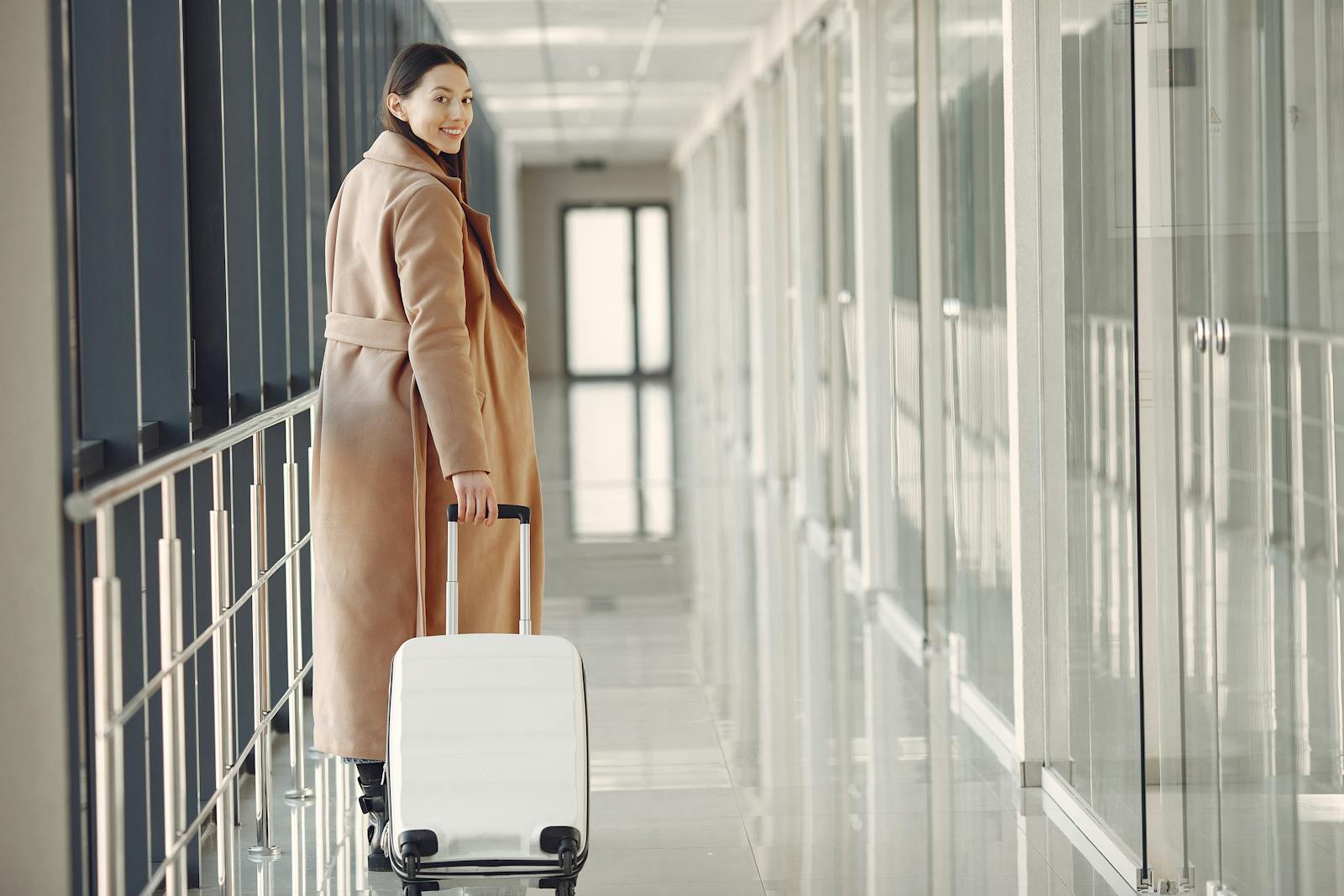
What to wear on a long-haul flight
The Longhaulist team updated
Direct answer
For a long-haul economy flight, wear loose breathable layers, a base of merino or technical synthetic, a packable warm layer for a 15–20°C cabin, slip-on shoes a half size up, and compression socks underneath. Avoid denim, anything tight at the waist, anything that wrinkles badly, and shoes you can’t get back into after 8 hours of foot expansion.
The point isn’t fashion. The point is to be comfortable enough to sleep, warm enough during cruise, presentable enough on arrival, and not visibly destroyed when you walk through immigration.
Why it matters for long-haul economy
Your clothes have to do four jobs simultaneously over a 10–14 hour window:
- Tolerate temperature swings from a warm gate (24–28°C) to a cold cruise cabin (15–20°C) to a hot jet bridge on arrival (anything up to 35°C)
- Accommodate body changes — feet swell, ankles fill, waist expands from cabin pressure
- Survive sleep — without leaving you stiff, sweaty, or chafed
- Look presentable on landing — no immigration officer cares, but the airport-to-hotel handoff matters for your sense of recovery
A bad outfit makes all four jobs harder. A considered outfit doesn’t fix everything, but it removes a category of preventable discomfort.
The actual cabin environment
Knowing what you’re dressing for helps.
- Cruise cabin temperature: 15–20°C (59–68°F). Many travellers consistently underestimate this.
- Cabin humidity: 5–20%. Dry. Synthetic fabrics generate more static; natural fibres feel less stuffy.
- Pressure altitude: 6,000–8,000 ft. Causes gas expansion in clothing too — anything tight at the waist gets tighter.
- Time seated: 8+ hours. Fabrics that don’t breathe will trap sweat. Materials that wrinkle deeply will look wrecked on arrival.
The cabin is colder than people expect and drier than most indoor environments. The fix is layering, not packing a single heavy item.
Bottom layer: trousers / leggings
What to look for
- Loose to medium fit at the waist — not tight, ideally with some stretch
- Mid-weight, breathable fabric — merino blend, technical synthetic, mid-weight cotton blend
- No belt — pressure-induced bloating will make a snug belt actively uncomfortable; a soft elastic or drawstring is better
Specific picks
- Joggers in a technical blend (merino, recycled poly, or a poly-cotton mix)
- Loose-cut chinos with stretch
- Cotton-blend leggings (avoid 100% lycra — runs hot and clings when sweat starts)
- Wide-leg lounge pants for very long flights if you don’t mind the lounge-y look
What to avoid
- Denim — stiff, slow to dry sweat, looks awful after 12 hours of sitting
- Anything with a tight waistband or rigid belt
- Heavy chinos — bulky in the seat, hot for the first 2 hours
- Skirts/dresses without leggings underneath for long flights — modest sleeping position is hard to maintain
Compression socks underneath
For any flight over 8 hours, graduated compression socks (20–30 mmHg) reduce DVT risk and ankle swelling. Worn under loose trousers, they’re invisible to anyone else and add no thermal load.
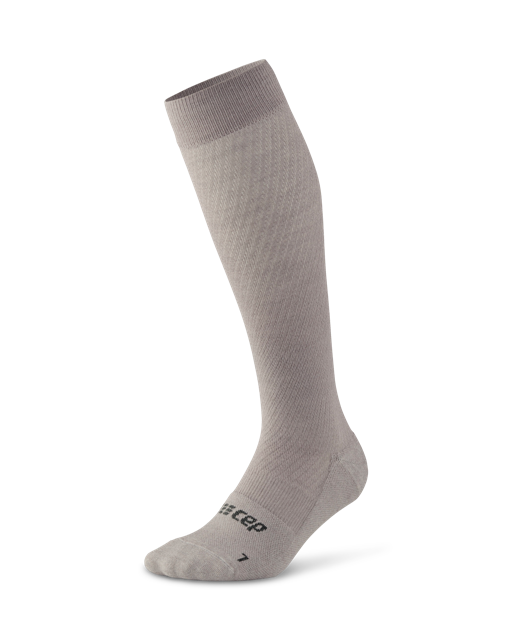
CEP
CEP Flight Compression Socks (20–30 mmHg)
Graduated 20–30 mmHg designed specifically for air travel. Size chart uses calf circumference, not just shoe size. Lightweight, no-slip fit.
View on AmazonA slightly cheaper alternative with a softer feel:
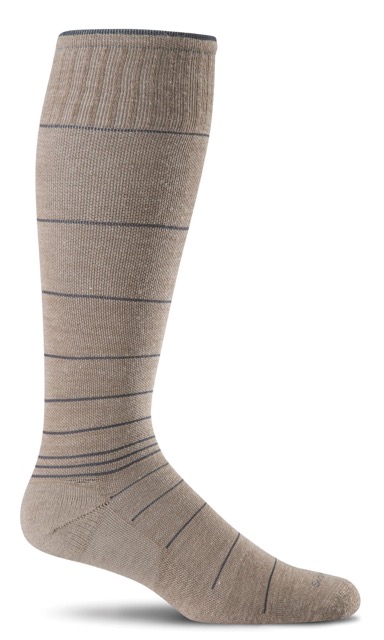
Sockwell
Sockwell Circulator Moderate Graduated Compression Socks
15–20 mmHg in merino-nylon blend. Good starting point for first-time compression sock wearers — lighter gradient, comfortable all day.
View on AmazonFull discussion in What compression socks actually do on long-haul flights.
Top layer: t-shirt + long sleeve + warm layer
The three-layer system handles the temperature swings.
Base: t-shirt or light long-sleeve
- Merino wool is the best single fabric for flying. Doesn’t smell after 12+ hours, breathes well, doesn’t cling.
- Technical synthetic (poly blend designed for athletics) is a cheaper alternative. Will smell faster but performs.
- Avoid pure cotton — once it absorbs sweat or condensation it stays wet, then cold.
Mid: long-sleeve or light hoodie
A light merino long-sleeve, a thin athletic top, or a hooded zip layer. The hood matters more than you’d think: extra darkness, ear coverage, slightly muffles cabin noise, doubles as a face hide if light bleeds around your eye mask.
Outer: packable jacket or thick hoodie
Something warm enough to sleep in but light enough to bundle into a pillow during meal service. A thin down jacket compresses to a small ball and weighs almost nothing. A heavy fleece works but takes more bag space.
In total: t-shirt + long-sleeve + outer layer covers anything from a 28°C gate to a 15°C cruise cabin to a 5°C arrival concourse without changing clothes.
Footwear
This is where most travellers get it wrong.
What happens to your feet
Over an 8–12 hour flight, your feet expand by 5–10% due to fluid pooling and pressure changes. A shoe that fits at boarding feels tight by hour 6 and may be hard to get back on after lavatory visits or sleep.
What to wear
- Slip-on or easy-lace shoes — at security, after sleep, during landing prep. Anything you have to bend down and fight with is annoying.
- Half a size up from your normal — accommodates expansion.
- Soft uppers — leather sneakers, soft canvas, knit uppers. Rigid leather brogues cut into expanded feet.
- Replaceable insole — so you can pull the insole out for security if you want, or replace it with a softer one for the flight.
What not to wear
- Boots that need tight lacing
- New shoes (any flight is the wrong place to break in shoes)
- Tight or pointed dress shoes
- Flip-flops/sandals only — fine for the resort, but if there’s an evacuation or rough taxi, you want enclosed feet. They also make you cold at cruise.
Removing shoes in flight
Most experienced long-haul flyers slip shoes off after takeoff. It’s safer for your feet (less swelling pressure) and more comfortable. Wear clean socks — your seat neighbours notice. If you really want a separate “cabin shoe”, a pair of grippy socks or thin slippers (one extra item in the bag) is the move. A spare pair of clean wool socks does the same job for less.
Specific scenarios
Sleeping the whole flight
- Loose joggers, no belt
- Merino base layer
- Thick hoodie (the hood is doing real sleep work)
- Slip-off shoes; clean socks
- Compression socks
Arriving directly into a meeting
- Travel clothes can’t double as meeting clothes — pack the meeting outfit in your carry-on
- Plan a hotel-room change between airport and meeting
- If you absolutely must wear the meeting outfit on the flight: choose wrinkle-resistant fabric (technical wool blends, merino), and bring a separate layer to swap for the flight
Cold-climate arrival
- Pack the heavy coat in your carry-on (don’t wear it through security, awkward in cruise)
- Outer layer in flight is your warm packable jacket
- Coat goes on after the jet bridge
Hot-climate arrival
- Same warm-layer setup for cruise; the warm jacket goes into the bag at the jet bridge
- A spare lightweight t-shirt in the bag to swap into post-flight is genuinely worth the space
Arriving directly to the beach
- Resist the temptation to fly in shorts and a t-shirt — you will freeze for the entire cruise
- Pack the beach outfit; fly in functional clothes; change in the airport bathroom or hotel
The “looking presentable on arrival” question
Some pragmatic moves:
- Bring a freshener pack: small toothbrush, toothpaste, deodorant, face wipes, moisturiser. 30 minutes before landing, head to the lavatory.
- A fresh t-shirt at the bottom of the carry-on takes 2 minutes to change into and noticeably resets the trip.
- Lip balm + face moisturiser — cabin air will visibly tighten your skin. Reapply before landing.
- Eye drops — for contact wearers especially; for everyone if eyes feel dry.
- Hair brush/comb — small thing, large delta in how you arrive looking.
None of this is about vanity. It’s about not arriving at immigration feeling like you’ve been through a war.
A condensed packing list
Wearing:
- Loose joggers or stretchy chinos (no belt)
- Merino or technical synthetic t-shirt
- Light long-sleeve
- Packable warm layer (down jacket, thick hoodie)
- Slip-on shoes a half size up
- Compression socks
- Cotton socks underneath if you find compression alone uncomfortable
In the carry-on:
- Fresh clean socks (for in-flight wear)
- Spare clean t-shirt (for arrival)
- Freshener pack (toothbrush, deodorant, face wipes, moisturiser, lip balm)
- Eye drops
- Hair brush/comb
- Phone charger
- Eye mask, earplugs
- Refillable water bottle
What people overpack
- Multiple “flight outfits” — one is enough; one fresh t-shirt is the only swap you need
- Pyjamas to change into mid-flight — comfortable joggers cover this; changing in a tiny lavatory mid-cruise is more friction than benefit
- Slippers — clean socks do the same job for less weight and space
- A full toiletry bag — a small freshener pack handles 95% of the on-flight need
FAQ
What should I wear on a long-haul flight? Loose breathable layers — joggers or stretchy trousers, merino or technical t-shirt, light long-sleeve, packable warm jacket, slip-on shoes a half size up, and compression socks underneath. Cabin temperature is 15–20°C at cruise — colder than most people expect.
Should I wear jeans on a long flight? Best avoided. Stiff, slow to dry sweat, looks wrecked after 12 hours of sitting. Stretchy chinos or joggers are more comfortable and look acceptable on arrival.
What shoes are best for a long-haul flight? Slip-on or easy-lace shoes, a half size up from your normal, with soft uppers. Avoid boots, tight dress shoes, and new shoes. Your feet swell 5–10% over a long flight.
Should I take my shoes off on the plane? Yes, most experienced long-haul flyers do. Wear clean socks — your neighbours notice. A spare pair of clean wool socks at the bottom of your bag is worth the space.
Are compression socks worth wearing? On flights over 8 hours, yes. Graduated compression (20–30 mmHg) reduces DVT risk and ankle swelling. Invisible under trousers.
What’s the cabin temperature on a long-haul flight? 15–20°C at cruise. Warmer at the gate and during boarding (24–28°C). Pack a warm layer.
Can I wear a hoodie on a long-haul flight? Yes — a hooded layer is one of the most practical items. The hood provides extra darkness, ear coverage, and sleep insulation.
Should I change clothes mid-flight? Generally no — changing in the lavatory is more friction than benefit. A fresh t-shirt and freshening up 30 minutes before landing covers the arrival-look need.
Sources
- Aerospace Medical Association, “Useful Tips for Airline Travel”
- WHO WRIGHT study, 2007: Travel and Venous Thromboembolism
- Hinninghofen & Enck, 2006, Best Practice & Research Clinical Gastroenterology: in-flight comfort
- CDC Yellow Book, 2026 edition: Deep Vein Thrombosis & Pulmonary Embolism