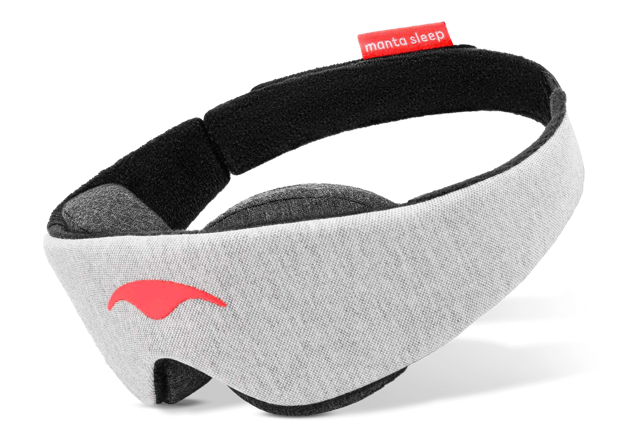
Manta
Manta Sleep Mask
Contoured cups sit away from eyes — no lid pressure, no interference with REM movement. Adjustable for most face shapes. Full blackout. Stays in place when you turn.
View on AmazonFree tool
Pick your aircraft type and what matters most — sleep, legroom, a quick exit, quiet, or travelling with kids. The tool gives you row-range guidance, the right seat letters, and the zones to avoid.
Gear that earns its space
The right seat does most of the work. These two cover what the seat can't give you: light blocking and chin-stable head support.
Manta
Contoured cups sit away from eyes — no lid pressure, no interference with REM movement. Adjustable for most face shapes. Full blackout. Stays in place when you turn.
View on Amazon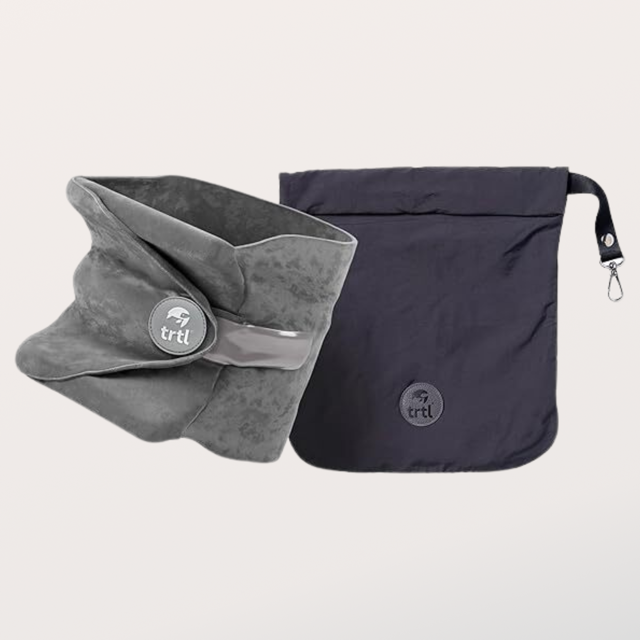
Trtl
Internal support spine holds the neck in a neutral position without the bulk of a horseshoe. Works for side-sleeping against a window. Machine washable, highly packable.
View on AmazonWindow seat + eye mask + chin-stable pillow is the highest-return setup for sleep on any economy seat.
The cabin wall acts as passive head support, eliminating the muscle effort needed to keep your head from falling forward. A window also lets you control light from outside (the strongest disruptor of in-flight sleep) and means nobody climbs over you to use the lavatory. On long-haul economy, the window is the single largest seat-position factor in whether you sleep meaningfully.
Three things: (1) the galley is usually directly behind, with cart noise, boilers, and crew conversation through the night; (2) seats often have reduced or no recline because of the cabin wall behind them; (3) high foot traffic to lavatories, which are typically rear-mounted on widebodies. The combination is the worst for sleep and one of the worst for noise. There are exceptions on specific airline configs, so always verify on the seat map.
Usually yes — typical bonus is 6–10 inches of pitch. The trade-offs: many exit rows don't recline (safety requirement on some aircraft), the seat width can be narrower because the tray table is in the armrest, and you take on safety responsibilities (must be able-bodied, willing to assist in evacuation, not travelling with infants). For long flights, the legroom usually wins. For sleep priority, exit rows are a poor choice because of the recline limitation.
Slightly, on most widebodies, because the wing acts as a sound barrier between the cabin and the engine, and the engine itself is mounted under the wing. The bigger noise factors are aircraft type (the A350, A380, and 787 are quieter than the 777 and A330) and proximity to galleys/lavatories. If quiet is the goal, picking the right aircraft and avoiding service zones beats picking a specific row over the wing.
Actually, the opposite — bulkheads are usually the best family seats. Bassinet positions (for infants under ~10 kg) clip onto bulkhead walls. The lack of a seat in front gives kids floor space to play. The trade-offs: no under-seat storage (your bag goes in the overhead), the IFE screen is folded into the armrest (smaller), and lavatory traffic is often nearby. Most airlines limit bulkhead booking to families until ticket close-out.
On long-haul (8+ hours): usually yes for window/bulkhead/exit-row, especially if you're travelling alone. The marginal cost is small relative to the flight cost; the marginal sleep, comfort, and arrival-condition difference is large. On short-haul (under 6 hours): rarely worth it — sleep windows are short and the quality difference is smaller.
No — and this is intentional. Airlines reconfigure aircraft, and seat maps differ between operators of the same aircraft type. The tool gives you the principles and aircraft-specific characteristics, applied to your priority. Always verify the actual rows and seat numbers on SeatGuru or the airline's own seat selection screen before paying for a specific seat.
We cover the most common long-haul widebodies (Airbus A350/A330/A380/A340 and Boeing 787/777/747). Regional jets and narrowbody aircraft (A320, B737) aren't covered because long-haul economy is rare on them — and the principles are identical: forward of wing for quiet, window for sleep, exit row for legroom, avoid the back five rows.
Yes — every result has its own URL with your inputs encoded in the query string. Bookmark it or send it to a travel partner. The page reloads with the same recommendation.